01
Deep Soil Mixing (DSM)
An improvement method that forms high-strength, low-permeability soil columns by mechanically mixing the ground in place with a cement-based binder.
Modern improvement techniques that increase the bearing capacity of weak soils, control settlements and reduce liquefaction risk.
Ground improvement encompasses all the applications that aim to enhance the engineering properties of weak, loose, soft or permeable soils so that they can safely carry structural loads.
Through these works the bearing capacity of the ground is increased, settlements are brought under control, permeability is reduced and, where necessary, liquefaction risk is lowered. From deep mixing to jet grouting and various grouting techniques, Geobim Engineering applies modern ground improvement methods in the most economical and sustainable manner, based on ground investigation data.
Select any of the headings below to explore the details of the relevant method.
01
An improvement method that forms high-strength, low-permeability soil columns by mechanically mixing the ground in place with a cement-based binder.
02
A flexible method, applicable in almost any soil type, that forms cylindrical soilcrete columns as high-pressure cement grout erodes and mixes the ground.
03
Filling voids, reducing permeability and increasing strength by injecting cement or chemical grouts under controlled pressure into the soil or rock fissures.
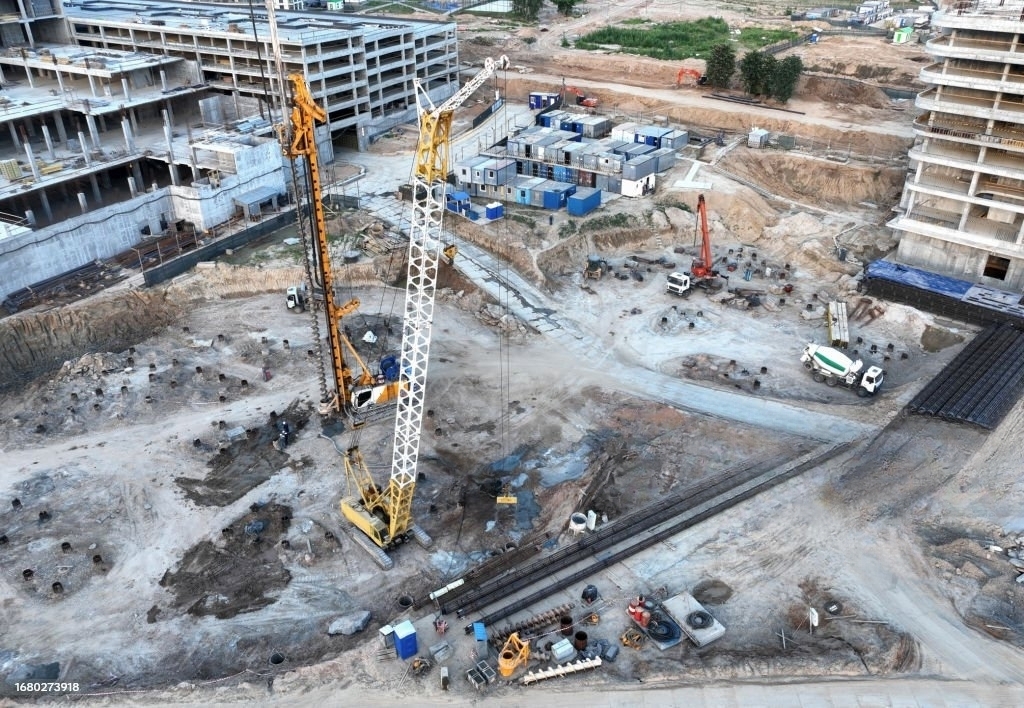
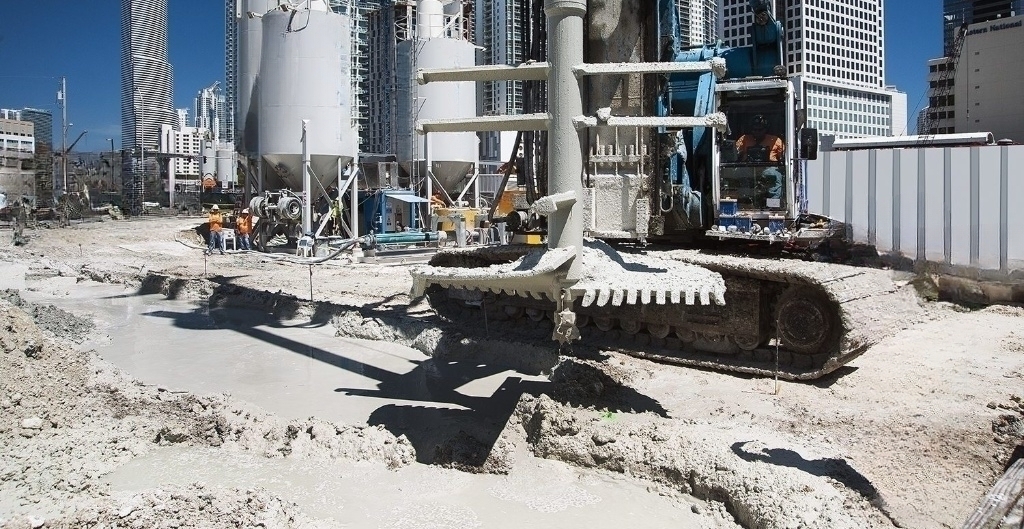
The deep soil mixing (DSM) method is based on forming high-strength, low-permeability soil columns or panels by mechanically mixing the ground in place with a cement-based binder using special mixing tools. Through this process the bearing capacity of weak, loose or soft soils is increased, settlements are reduced and the overall ground behaviour is improved.
DSM is effectively used to increase bearing capacity in soft clay and silty soils, to improve soils beneath fills and embankments, to stabilise excavation bases and to reduce liquefaction potential. Being a low-vibration, environmentally sensitive method that can be applied quickly over large areas makes it advantageous on large-scale projects.
In deep mixing applications, Geobim Engineering optimises the binder dosage, column geometry and mixing parameters according to site conditions, safely achieving the targeted strength and impermeability values.
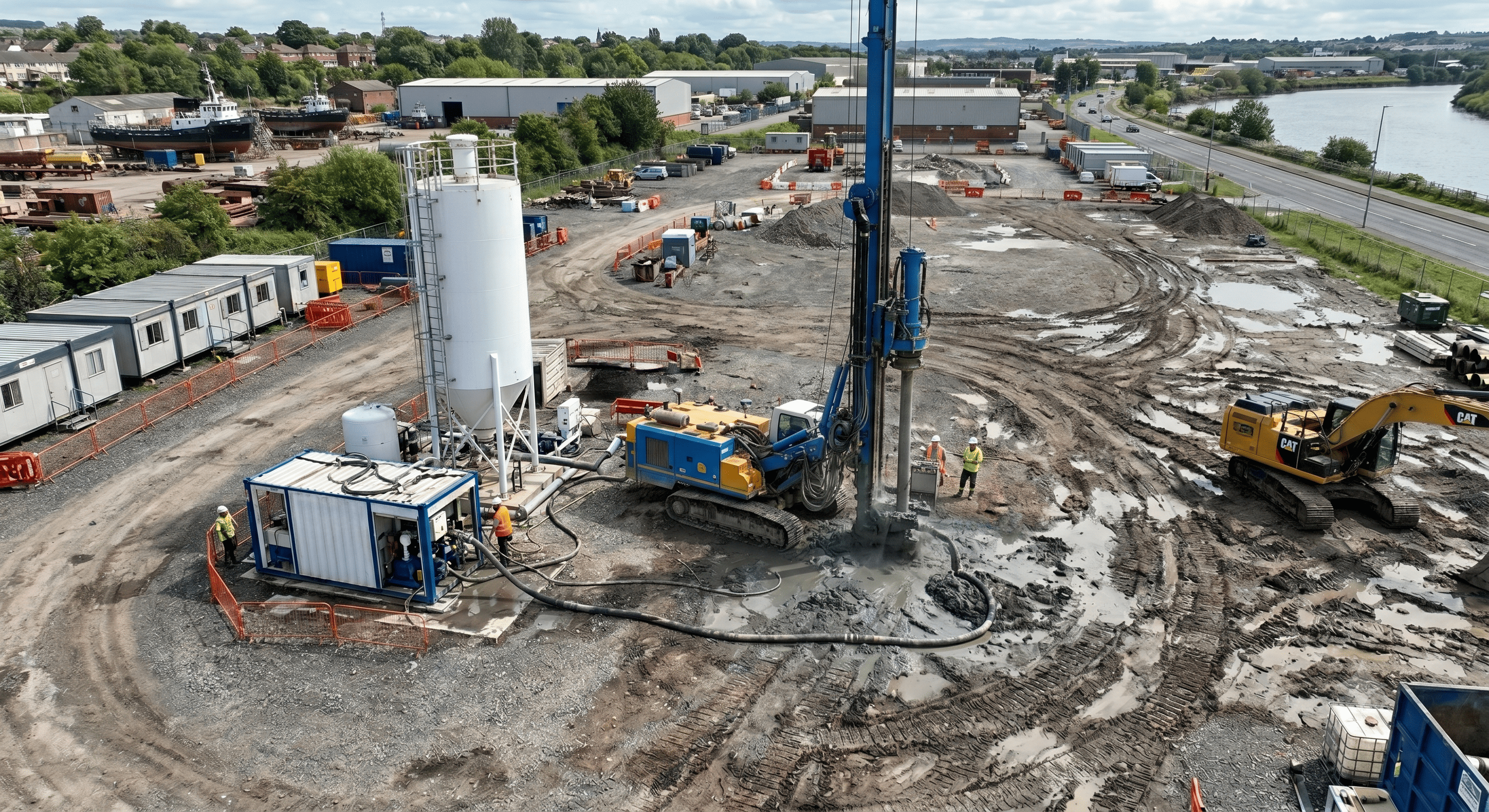
Jet grouting is a method in which cement grout sprayed into the ground under high pressure erodes the soil and mixes it with the binder to form cylindrical soil-cement (soilcrete) columns. Being applicable in almost all soil types makes jet grouting one of the most flexible and most powerful techniques in the field of ground improvement.
Jet grouting is widely used to increase bearing capacity, reduce settlements, stabilise excavation bases and slopes, form water cut-off walls and reinforce existing foundations (underpinning). Being applicable even in confined working spaces and beneath existing structures provides a significant advantage.
In jet grouting applications, Geobim Engineering tailors the injection pressure, rotation and withdrawal rate and the grout mix specifically to the site, obtaining homogeneous columns of the desired diameter, strength and impermeability.
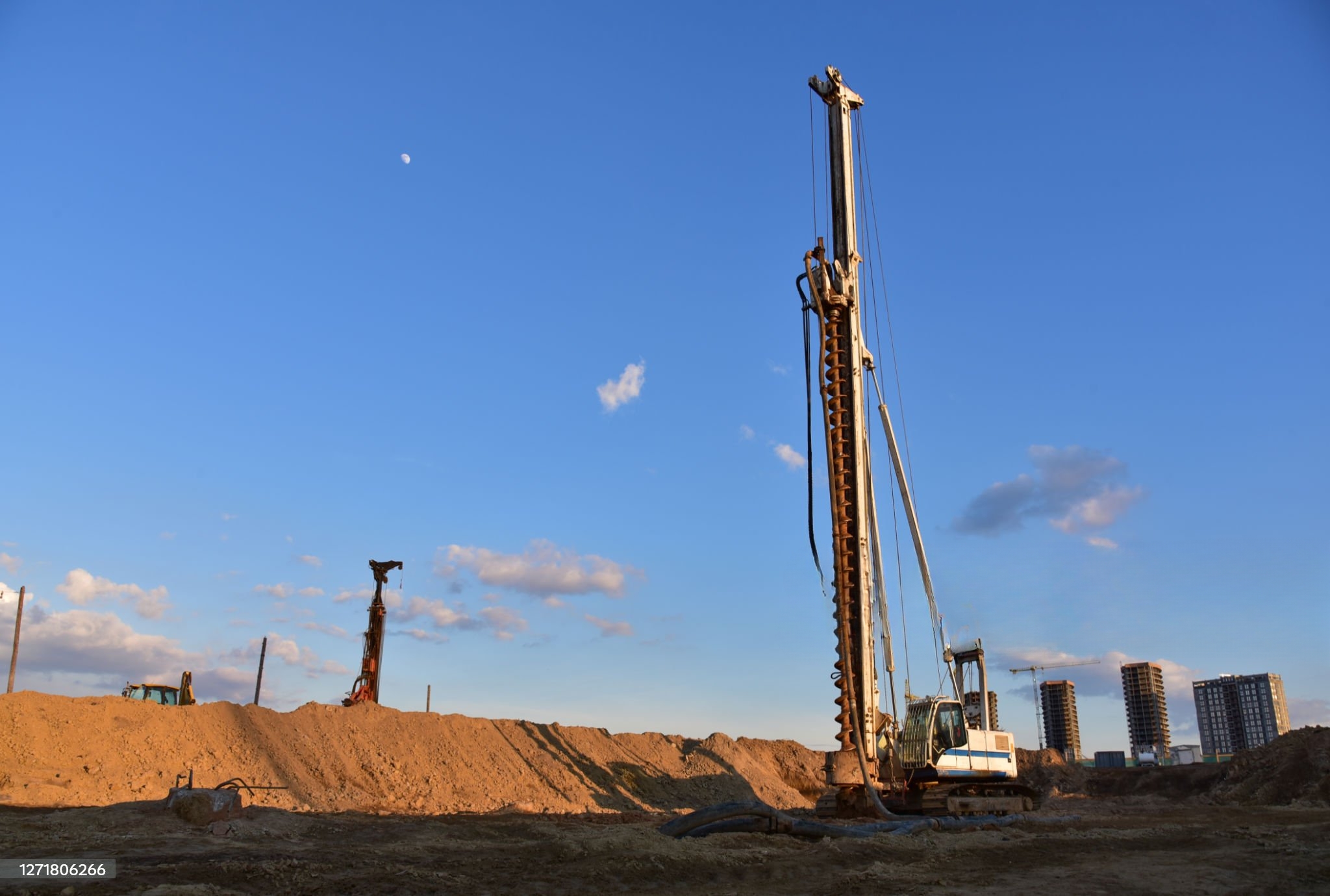
Grouting works are a ground improvement method applied to fill voids, reduce permeability and increase the strength of the ground by injecting cement, chemical or specially formulated grouts under controlled pressure into the soil or rock fissures.
Grouting applications play an important role in preventing water seepage in dams and water structures, in ground stabilisation of tunnels and underground structures, in filling and densifying voided and loose soils, and in reinforcing the foundations of existing structures. In grouting works, Geobim Engineering determines the appropriate grout recipe, injection pressure and hole layout according to site conditions; by continuously monitoring pressure and volume values during application, it ensures that the targeted improvement is achieved in a controlled manner.
The grout permeates between the pores without disturbing the soil structure, filling the voids and reducing permeability.
SAND · GRAVEL · ROCK FISSURES
High-viscosity grout compacts the soil to form a dense mass; the ground is raised and densified.
LOOSE SOIL · LOAD TRANSFER
Controlled fracturing of the soil or rock spreads the grout over a wide network; an effective solution in low-permeability soils.
CLAYEY SOIL · STIFF CLAY · ROCK

We are with you at every stage. Our engineers will contact you as soon as possible.
Get a Quote